What is a Bioethanol stove?
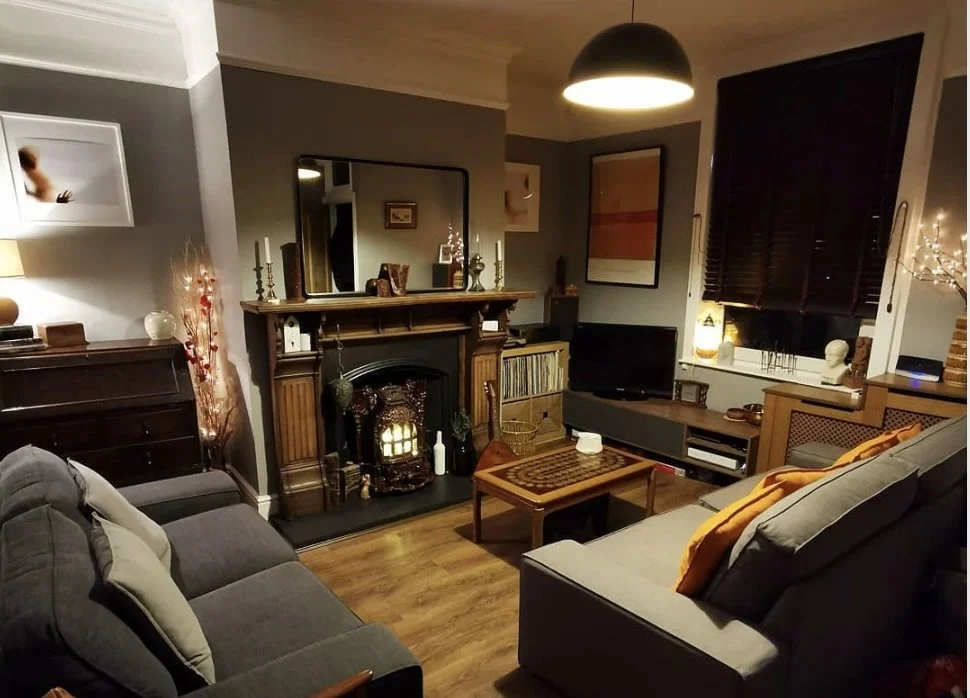
What Is a Bioethanol Stove?
A bioethanol stove is a ventless appliance that burns liquid bioethanol fuel to produce a real flame. The standout benefit for UK homes is the complete absence of a chimney, flue, professional installation costs and ongoing maintenance such as chimney sweeping etc. This makes it a practical choice for flats, modern new-builds, and period properties with capped fireplaces. The fuel itself is a renewable ethanol derived from waste by-products of corn and wheat crops, releasing only water vapour and CO2 during combustion. Unlike electric fires, you get a genuine dancing flame, and unlike gas fires, there is no need for a fixed gas line or annual safety checks.
How Much Heat Does a Bioethanol Stove Actually Produce?
Our stoves emit between 3 and 3.5kW of heat plus the radiant heat from the stove itself once it is hot. A 3kW output will comfortably warm a medium-sized room, but it is unlikely to heat a large open-plan space or replace your central heating during a cold snap. Many manufacturers specify a minimum room volume of 25 cubic metres for safe operation, so measuring your space before buying is essential.
Running Costs and Fuel Efficiency:
The running cost is often the deciding factor, and in 2026, bioethanol fuel costs approximately £2.50 per litre. A single litre will burn for 3 to 4 hours, depending on the model and the environment. This works out to roughly 65p per hour of operation. Compared to mains gas, bioethanol is more expensive per hour, but it is competitive with electric heating, especially when you consider that manufacturers claim the stoves are 100 percent efficient. Because there is no flue, virtually all the heat energy stays in the room rather than escaping up a chimney, a key advantage over open fires and some older wood burners.
Safety, Smell, and Real-World User Experiences
Safety must be the priority with any open flame in the home. Bioethanol is highly flammable, and manufacturers are clear on the requirements: a carbon monoxide alarm is essential, the room must have adequate ventilation, and the stove must sit at a safe distance from walls and soft furnishings. The fuel smell is very dependent on the quality of fuel used, with good quality of at least 96% there should be no smell. On the positive side, the stoves are heavy, typically weighing 40kg or more, which makes them sturdy. One Trustpilot reviewer noted this weight as a safety feature, commenting that the stove would not be knocked over by a dog or grandchild. For aesthetics, the real flame without smoke or ash remains the major draw.
Verdict: Who Should Buy a Bioethanol Stove in 2026?
A bioethanol stove is best for homeowners without a chimney, renters who cannot install a flue, and anyone wanting a real flame for ambience with minimal hassle. It is not ideal for those seeking primary heating for a large space or a very small room due to ventilation problems.