Are Wood Burners Eco-Friendly?
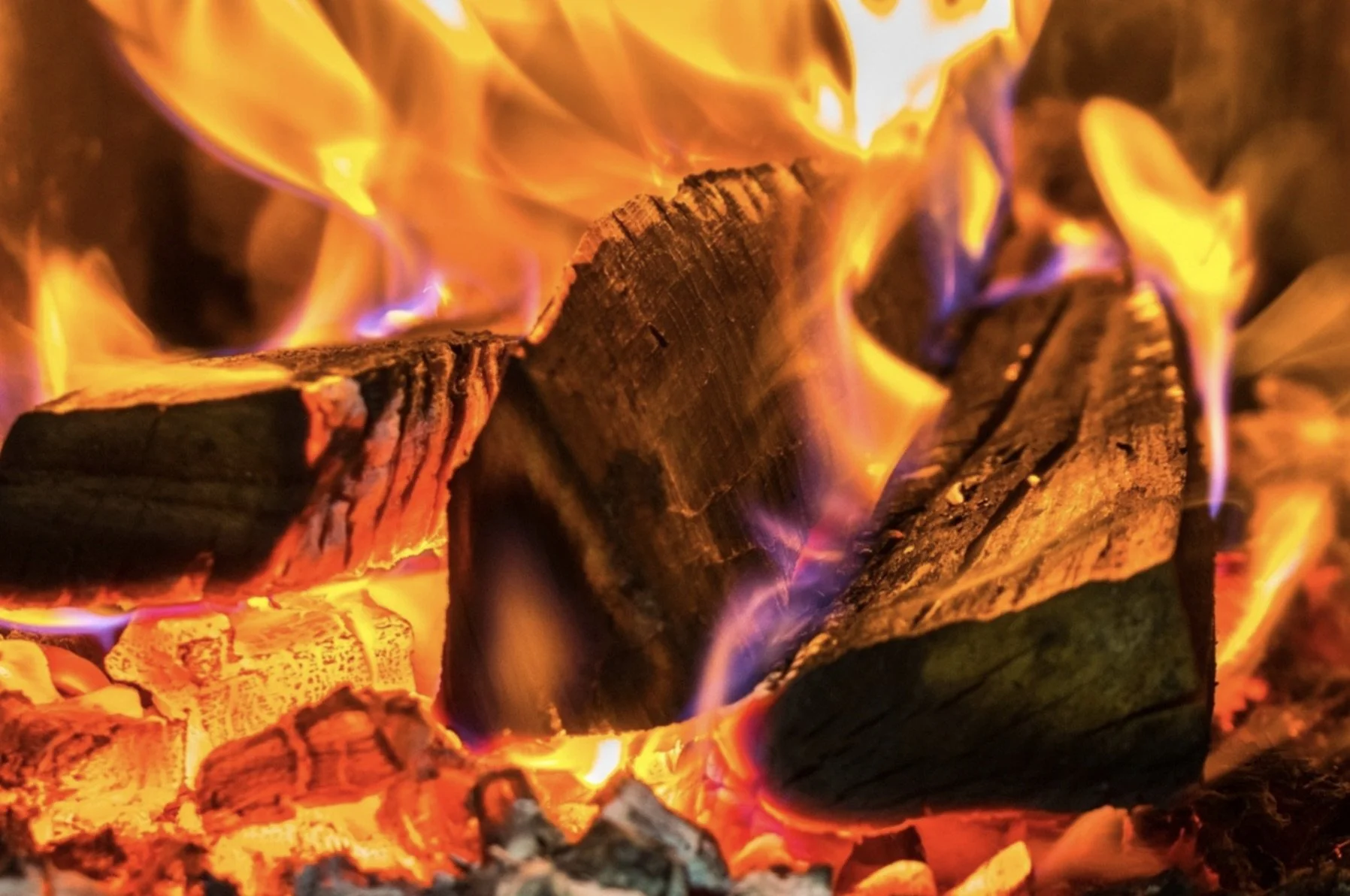
Despite clever marketing, the evidence increasingly shows that wood burners are not eco friendly. Many UK homeowners still believe a new Ecodesign stove offers guilt-free warmth. The data from 2024 through 2026 tells a different story, one that every current or prospective owner needs to understand before striking a match this winter.
The Scale of the Problem: Wood Burners vs. UK Traffic
Only 8 per cent of UK households own a wood-burning stove, yet collectively they release more fine particulates than all vehicles on the nation's roads. A single modern stove marketed as eco-friendly produces 750 times as many fine particulates as a heavy goods vehicle. Government figures confirm 1.5 million UK households now use wood as a primary or secondary fuel source. Outdoor air pollution contributes to between 26,000 and 38,000 premature deaths each year in England, and wood smoke is a significant part of that burden.
The "Eco" Myth: Why Modern Stoves Still Pollute
Current regulations limit new stoves to 3 grams of smoke per hour, down from the previous 5-gram cap. Even these Ecodesign-rated appliances release PM2.5 particles linked to heart disease, lung cancer, asthma, and dementia. Indoor air pollution in homes with a wood burner is three times higher than in homes without one, even when the stove door remains closed. Opening that door to refuel floods the room with toxins, pushing indoor air quality well above World Health Organisation safe limits. Industry claims of carbon neutrality conveniently ignore black carbon, a component of wood smoke that warms the atmosphere far more aggressively than CO2 over the short term.
The Fuel Factor: Wet Wood vs. Dry Wood
Wet wood, with moisture content above 20 per cent, produces excessive smoke, tar deposits, and harmful particulates. Dry wood carrying the "Ready to Burn" logo reduces emissions and improves heat efficiency, but it does not eliminate PM2.5 output. Government campaigns like Burn Better encourage proper seasoning, yet real-world compliance remains patchy. Many users still burn unseasoned logs, whether through cost-cutting or simple lack of awareness. The uncomfortable truth is that even the best fuel cannot make a wood burner eco friendly in absolute terms.
What the Industry Doesn't Tell You
The cost argument for wood burning often crumbles under scrutiny. Once you factor in seasoned fuel, annual chimney sweeping, and stove maintenance, wood is frequently no cheaper than gas central heating or a heat pump. A critical gap remains in the research: there are no long-term studies tracking illness specifically in wood burner households. Most health warnings are extrapolated from general PM2.5 research rather than controlled studies of stove owners. Manufacturer defences, such as those from Charnwood and AJ Wells, emphasise modern efficiency but rarely address the cumulative particulate load on neighbourhood air quality. Alternatives like solar thermal, district heating, and biomass boilers are almost never mentioned in stove showrooms.
What This Means for UK Homeowners in 2026
If you already own a stove, commit to burning only dry, Ready-to-Burn wood and never use treated timber or household waste. If you are still weighing up a purchase, consider a heat pump or gas connection as a lower-emission primary heat source and reserve a stove for occasional use only. Smoke control areas are expanding across the UK, and future Ecodesign limits may tighten further. The bottom line has not changed: wood burners are not eco friendly. They remain a luxury heat source with real environmental and health costs that no amount of marketing can erase.
Frequently Asked Questions
Are wood burners being banned in the UK? No outright ban exists, but emissions rules are tightening and smoke control areas continue to expand, restricting what and how you can burn.
Can a wood burner ever be carbon neutral? In theory, if wood is sustainably sourced and fully combusted, the CO2 released is reabsorbed by new trees. In practice, the PM2.5 output and black carbon emissions negate any meaningful climate neutrality.
What is the cleanest way to burn wood? Use only dry, Ready-to-Burn logs, maintain your stove and flue regularly, and never shut dampers to smoulder fuel overnight.